


How to Choose the Perfect Beach Volleyball Camp for You
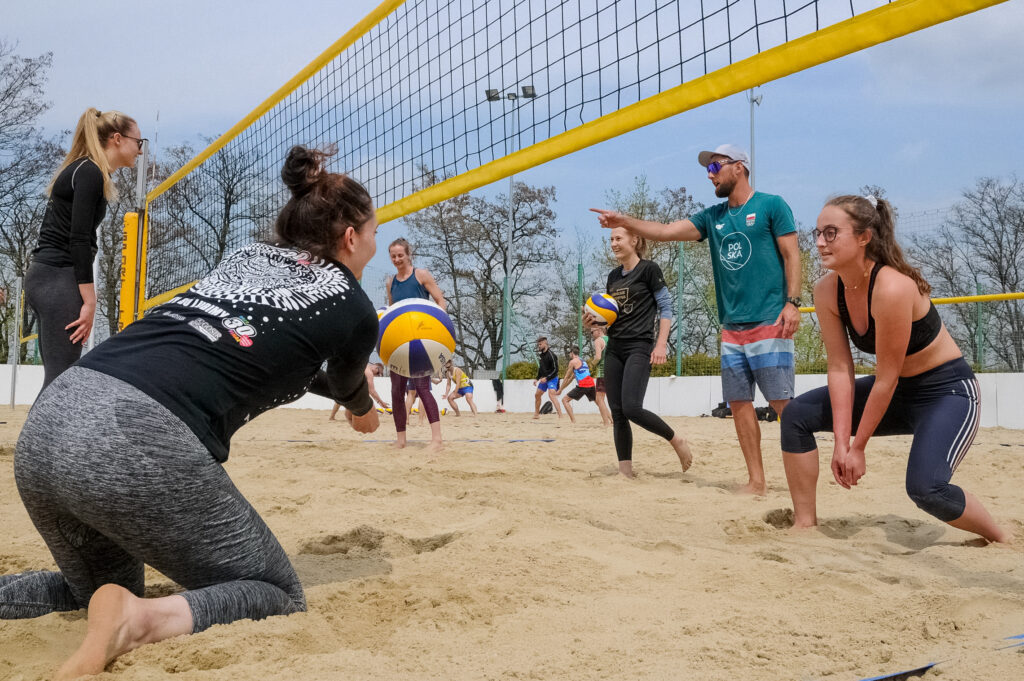
Whether you want to train like a pro or just enjoy a sunny holiday with a ball in your hand, choosing a beach volleyball camp is a big decision. You are investing your time and money, so you want to make sure you’re landing in the right sand for your specific goals.
Not every camp is the same. To help you find the best fit, here is a simple guide on what to check before you book.
Camp Provider Experience
Experience matters. A company that has been doing this for years knows how to handle problems like rain, court permits, or local issues. Ask yourself: Is this their first time, or do they have a history of successful camps?
Reviews and Opinions
Don’t just trust the website. Look for reviews on social media or Google. What do other players say about the organization and the “vibe”? If people keep coming back every year, it’s usually a great sign.
Training Group Size: Why 6 is Best
Most camp providers put 8 people (or more) on one court. This is good for their profit, but bad for your progress. If you want to improve, look for a camp that has only 6 people per training group. With fewer people, you get to touch the ball more and get more advice from the coach.
Coaching Staff
A great player is not always a great teacher. Check who the coaches are. Are they pros, certified coaches, or just fans of the sport? Your progress depends on their ability to explain techniques clearly.
Nationality and Language
Beach volleyball is global, but many camps are very local. Even if the training is in English, you might find that most participants speak their own language (like German or Polish) during breaks. Not many camps are truly international, so check this if you want to meet people from all over the world.
More Participants = Better Level Matching
If a camp is very small, it is hard to find players at your exact skill level. This often leads to “uneven” groups where some people are too fast and others too slow. This is even harder when the camp splits people into men’s and women’s groups. Larger camps have more people to choose from, making it easier to put you in a group that fits your level perfectly.
Training Volume and Intensity
Are you looking for a grueling “pro-week” or a relaxed holiday? Check the number of sessions and their length. Some camps offer 5 training sessions in a week and some 5 sessions during the weekend.
Location and Weather
Don’t just look at the beach; look at the wind and temperature charts. A beautiful beach isn’t much fun if the wind is blowing at 40 km/h all week or if it’s 45°C at noon. Choose a location that offers reliable conditions for the time of year you’re traveling.
Accommodation: All-in or Training Only?
This depends on your goals:
-
The “Pro” Choice: Staying in a provided hotel with the group. This fosters a better “camp atmosphere,” makes logistics seamless, and keeps you focused on recovery.
-
The “Explorer” Choice: Booking your own Airbnb and just paying for the training. This is great if you want to explore more, but you might miss out on the social bonding.
Logistics: Getting There and Costs
Remember: Most camp providers do not offer flights or local transportation. When calculating the total cost, factor in the “hidden” expenses: airport transfers, car rentals, and sports equipment fees for airlines. Sometimes a “cheap” camp becomes the most expensive once you add the commute.
Training or Party?
Be honest with yourself about your expectations.
-
Professional Academies: Focus on video analysis, scouting, and technical progression with side social activities.
-
Social Camps: Focus on the “Beach Life”—plenty of volleyball, but with a heavy emphasis on parties.
Recovery and Additional Activities
The best camps understand that what happens off the sand is just as important. Look for providers that offer a holistic approach, including:
-
Recovery: Guided stretching, mobility sessions, or on-site massage therapy.
-
Education: Tactical theory classes and mental training.
-
Physical Prep: Conditioning and injury prevention drills.
